
Tap anywhere inside this section to unmute the track & fire up the 13,500 RPM R15M soundscape.
The Ultimate Yamaha R15M Modification Guide: Transforming Your Track Weapon Into a Street-Legal Superbike Replica
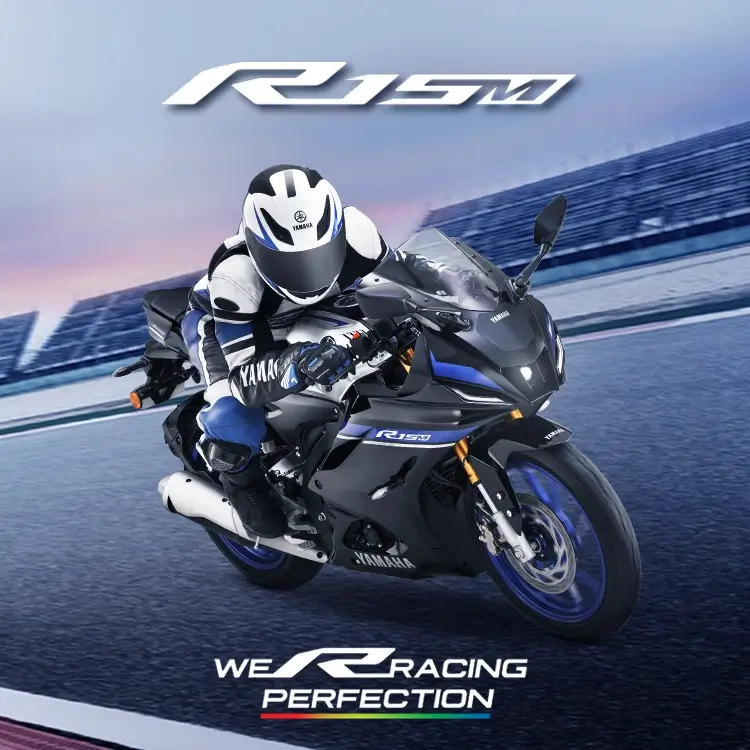
The Yamaha R15M stands tall as the absolute pinnacle of small-capacity supersport engineering. Inheriting its aggressive visual design from the legendary YZF-R1M, its aluminum swingarm, traction control system, and standard quickshifter set a brutal industry standard. However, out of the showroom, every machine is bound by global compliance parameters, cost constraints, and road safety mandates. For true racing purists and daily enthusiasts alike, the stock configuration is merely a canvas awaiting refinement.
Modifying a high-precision platform like the R15M demands a strategic methodology. Randomly bolting on low-grade aesthetic accessories risks ruining its near-perfect weight distribution, upsetting the fine-tuned aerodynamic balance, or corrupting its sensitive electronics. This blueprint strips away the guesswork, mapping out premium modifications engineered specifically to optimize airflow, reduce unsprung mass, and unleash the true racing pedigree of your Yamaha YZF-R15M.
Aerodynamics dictate everything when dealing with a high-revving 155cc liquid-cooled powerplant. The stock windscreen functions decently for mid-tier commutes, but falling into a full racing tuck reveals clear pocket limitations. Upgrading to an optically correct, extended bubble tinted racing visor immediately redirects high-velocity airflow completely up and over the rider’s helmet, reducing drag coefficients drastically while improving high-speed high-RPM stability on open stretches.
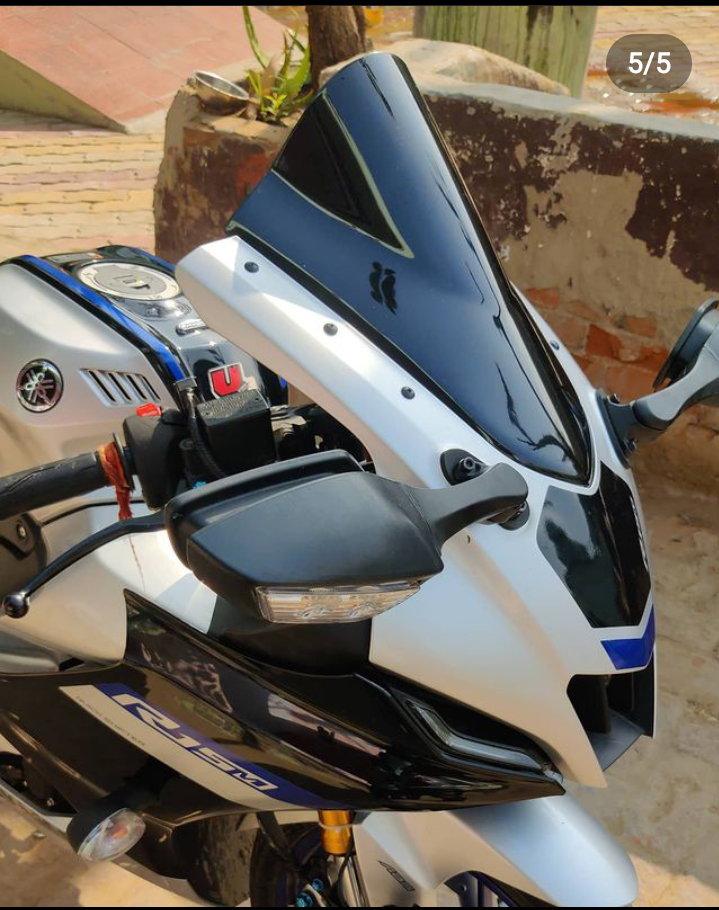
To complete the aerodynamic profile, removing the bulky stock commuter mirrors is non-negotiable. Replacing them with CNC-machined aerodynamic winglet mirrors gives you dual functionality: they fold down into clean structural wings that add downward force to the front tire at speed, and flip up to reveal high-definition rear-view tracking visibility when navigating urban streets.
True performance builds embrace structural composite materials. The factory Metallic Grey paint scheme on the R15M looks exceptional, but incorporating matching vacuum-infused dry carbon fiber panel accents shifts it entirely into superbike territory. Focus upgrades directly on high-wear spots: the front tire hugger, side fairing extraction vents, and the fuel tank mid-shroud area.
Beyond raw styling aesthetics, carbon fiber application plays a functional role in heat dissipation and minor weight reduction. Wrapping your exhaust shield or adding precise frame slider protection inserts prevents structural scuffs, preserves structural resale value, and isolates structural components from localized engine case temperatures.

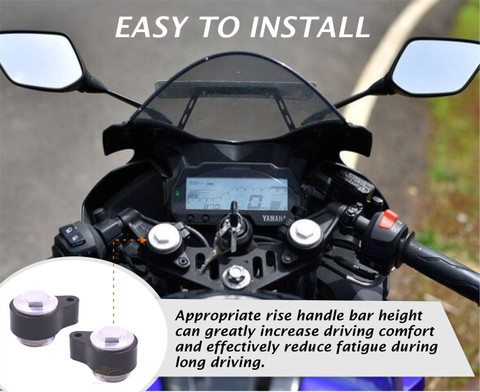

Your direct points of contact with the bike dictate your real-world riding confidence. Stock cast-aluminum levers work for general use, but they lack the adjustable throw settings needed for varying hand sizes or precision track operations. Installing 6-way adjustable CNC-machined shorty levers allows you to customize the clutch bite point and brake master cylinder compression curves to the millimeter.
Pairing these adjustable levers with pro-race specification lever guards is vital. These guards protect your front brake line from accidental lockup during close group riding or track days, while giving the cockpit that unmistakable MotoGP layout inspired by factory racing bikes.
Unlocking power from the Variable Valve Actuation (VVA) system requires maximizing engine breathability. The stock air filter is a paper element that limits airflow volume to meet strict emissions targets. Swapping this out for a high-flow, multi-layer cotton-gauze performance air filter allows your engine to draw in a clean, high-velocity intake charge, which crispies up throttle response across both low-speed and high-speed cam profiles.
⚠️ Legal and Mechanical Disclaimer
- Full exhaust changes modify tailpipe emissions values and can affect factory warranty terms.
- To prevent lean engine conditions, installing high-flow filters along with premium custom headers works best when paired with verified ECU fueling adjustments.
- Ensure all custom lighting parts preserve official visibility baselines set by regional transport frameworks.
To match that optimized intake performance, clean up your exhaust exit flow. Upgrading to a premium slip-on system or a tuned full-system loop with a carbon fiber muffler sheds substantial weight right off the frame, while serving up a roaring, rich acoustic tone that makes this 155cc machine sound like a much bigger engine when you open it up.
An elite modification build balances aesthetic updates with real-world chassis protection. The Deltabox frame is incredibly robust, but high-impact tip-overs can cause expensive cosmetic and mechanical damage. Bolting on heavy-duty, dual-slider crash guards preserves your engine casings, side fairings, and radiator cores from tarmac friction.
Additionally, installing a laser-cut aluminum radiator guard protects the delicate cooling fins from flying gravel and road debris during fast group rides, keeping your cooling system operating at peak efficiency even during hot summer track sessions.
Upgrading the Yamaha R15M is all about finding that perfect balance between cosmetic updates and functional performance engineering. By focusing on aerodynamic refinements, premium control interfaces, and solid chassis protection, you enhance your day-to-day riding dynamics while maintaining the rock-solid reliability that Yamaha's engineering is famous for.
Always invest in high-grade components, use precise torque specifications during installation, and execute your build steps methodically. Keep following MottotoTech for more comprehensive technical walkthroughs, real-world track analyses, and professional modification blueprints!
No comments:
Post a Comment