
The Roof of the World
Prepare Your Soul for the Ultimate Motorcycle Pilgrimage...
Riding the Roof of the World: The Ultimate Guide to Your First Ladakh Motorcycle Expedition
There is a distinct, humbling point on the road to Ladakh where the noise of modern civilization falls away entirely. It is replaced by the steady, rhythmic, chest-rumbly engine thump of your motorcycle bouncing off towering ancient rock walls. The air grows thin, crisp, and shockingly cold; the horizon expands into an impossible, breathtaking canvas of deep indigo skies, jagged snow-dusted ridges, and vast, desolate valleys carved by glaciers over millions of years. This is the Union Territory of Ladakh—affectionately dubbed the "Land of High Passes"—and for adventure motorcyclists worldwide, it represents the absolute, non-negotiable pinnacle of riding achievements.
To ride a motorcycle across Ladakh is not a mere vacation; it is a physical, mental, and psychological trial. It is a journey where you will experience freezing glacial streams, unpredictable water crossings, shifting gravel surfaces, deep sand dunes, and altitudes towering over 17,000 feet. Yet, the reward is an unparalleled, life-altering sense of liberation and some of the most dramatic landscapes on Earth. If you are preparing to point your front tire toward this high-altitude desert for the first time, careful planning is the divider between the adventure of a lifetime and a hazardous survival situation. In this masterguide, we break down everything you need to know to successfully conquer Ladakh on two wheels.
1. Choosing Your Entry Pipeline: Manali-Leh vs. Srinagar-Leh Route
When planning your expedition, the first critical choice is choosing your approach. Ladakh is accessible via two legendary trans-Himalayan highways, each offering an entirely distinct landscape, road dynamic, and acclimatization profile.
The Srinagar-Leh Highway (NH 1D): The Gradual Ascent
Running from Kashmir into Ladakh, the 420 km Srinagar-Leh highway is the recommended approach for first-time Himalayan riders. This route is an architectural marvel that transitions gradually from the lush, pine-covered green slopes of Sonamarg, across the notorious, muddy Zoji La Pass, and into the dry, arid moonscapes of Kargil before reaching Leh. Because the ascent is gradual, your body has ample time to acclimatize naturally to the changing altitudes, significantly minimizing the risk of Acute Mountain Sickness (AMS).
The Manali-Leh Highway (NH 3): The High-Octane Thrill
The 470 km Manali-Leh highway is a raw, sensory-shattering roller coaster. Crossing five high-altitude passes—including Rohtang (via tunnel or pass), Baralacha La, Nakee La, Lachung La, and Tanglang La—this highway is characterized by massive elevation swings and long stretches of absolute wilderness. There are no towns or permanent settlements for over 250 kilometers between Darcha and Upshi. It climbs aggressively, forcing you to sleep at high-altitude transit camps like Sarchu (14,000 feet), which can be extremely punishing for unacclimatized bodies. However, the sheer dramatic beauty of the Gata Loops and the vast Morey Plains makes it an unforgettable trial of machine and rider.
| Highway Feature | Srinagar-Leh Highway (NH 1D) | Manali-Leh Highway (NH 3) |
|---|---|---|
| Total Distance | 420 Kilometers | 470 Kilometers |
| Key High Passes Crossed | Zoji La (11,575 ft), Namika La, Fotu La (13,478 ft) | Baralacha La (15,910 ft), Lachung La, Tanglang La (17,480 ft) |
| Acclimatization Safety | High (Gradual slope increase over 3 days) | Moderate-Low (Violent altitude spikes over 2 days) |
| Road Conditions | Generally better tarmac; muddy at Zoji La | Wilder; prone to heavy water crossings and gravel |
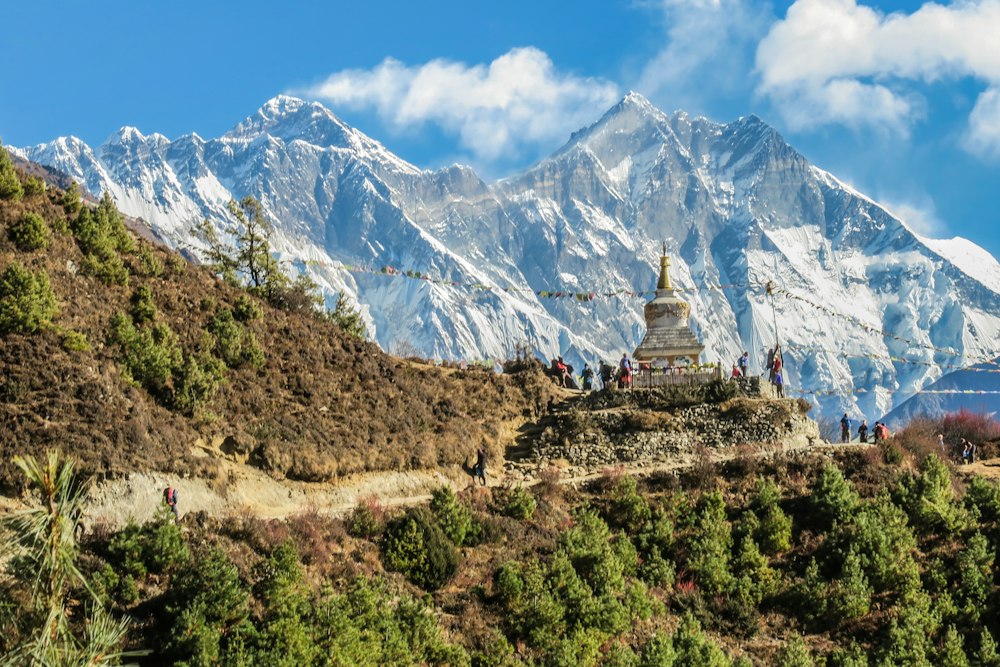
Visual Showcase: Capturing the Majesty of Ladakh


2. The Invisible Enemy: Master Altitude Acclimatization & AMS
The biggest threat on a Ladakh motorcycle tour does not come from deep gravel or steep drops; it comes from the very air you breathe. At the high altitude of Leh (11,562 feet) and the surrounding passes (which exceed 17,000 feet), the atmospheric pressure drops, meaning there are fewer oxygen molecules per breath. Without proper adjustment, this triggers Acute Mountain Sickness (AMS), characterized by throbbing headaches, nausea, loss of appetite, dizziness, and extreme fatigue.
To ensure your trip isn't cut short by a medical emergency, obey these three non-negotiable rules of high-altitude travel:
- The 48-Hour Rule: Once you arrive in Leh, whether by flight or via the Manali highway, you must rest completely for 48 hours. Do not attempt to ride, hike, or even walk long distances. Let your cardiovascular system adjust to the thin air.
- Hydration is Life: The cold mountain air is incredibly dry, meaning you lose moisture rapidly through breathing. Drink 4 to 5 liters of water daily. Consuming electrolyte-rich fluids and avoiding alcohol/smoking is critical.
- Preventive Medication: Consult your doctor about taking Acetazolamide (commonly known as Diamox), which assists the body in hyperventilating to absorb more oxygen. Start the dosage 24 hours before entering high-altitude zones.
3. Preparing Your Machine: Essential Motorcycle Prep and Spares Kit
In Ladakh, your motorcycle is not just transport; it is your lifeline. A breakdown on a remote pass like Chang La or in the middle of the Morey Plains can leave you stranded miles away from cell service or mechanical aid. While any motorcycle can theoretically complete the journey, robust dual-sport or adventure tourers with ample ground clearance (like the Royal Enfield Himalayan, KTM Adventure series, or Hero Xpulse 200) are highly preferred.
Before you turn the key, your motorcycle must undergo a comprehensive, heavy-duty service. Replace worn clutch plates, inspect brake pads, change the engine oil to a higher-viscosity grade suitable for cold climates, and check your chain tension. Furthermore, you must carry a comprehensive self-reliance kit containing essential spares:
- Cables & Levers: Spare clutch cable, accelerator cable, and a set of front brake and clutch levers. Falls in gravel can easily snap your stock levers.
- Tube & Puncture Repair Kit: If your bike has spoked wheels, carry spare front and rear inner tubes, tyre levers, and a portable foot pump or CO2 inflator. If tubeless, carry a plug kit.
- Fuses & Spark Plug: A spare set of electrical fuses and a compatible spark plug. Thin air can sometimes foul plugs due to rich fuel mixtures.
- Chain Maintenance: A high-quality chain lube spray and a spare chain master link. Clean and lube your chain every 300-400 km to protect it from abrasive mountain dust.
4. Riding Dynamics: Navigating the Hazards of High-Altitude Trails
Riding in Ladakh is entirely different from highway cruising or standard trail riding. The terrain is highly dynamic, shifting from smooth, race-track-like asphalt to deep, powdery sand and rocky riverbeds within a single kilometer. Keep these essential riding techniques in mind:
Taming the 'Nallas' (Glacial Water Crossings)
As the intense Himalayan sun beats down on glacier caps during the day, snowmelt rapidly rushes down mountain channels, forming fast-flowing, rocky streams across the highway known locally as *nallas* (such as the infamous Pagal Nalla or Whispering Nalla). The rule for water crossings is simple: **Cross early**. In the morning (before 10:00 AM), the water is shallow and calm. By 3:00 PM, the same crossing can transform into a roaring, knee-deep torrent of icy water carrying loose rocks.
When crossing, select first gear, keep your revs high and steady, and stand up on your footpegs to let your legs act as suspension. Never look down at the rushing water; look directly at your exit point on the opposite bank. Keep your clutch slightly slipped to prevent stalling, and let the bike trace its path slowly over the submerged boulders.
Handling Loose Sand & Landslide Debris
On high-altitude passes and valley floors, you will encounter stretches of deep, loose silt (often called fesh-fesh) and fresh landslide gravel. When hitting sand or loose rocks, **do not grab the front brake**. This will instantly tuck your front wheel and send you sliding. Instead, shift your weight back, loosen your grip on the handlebars, and apply steady throttle. Let the front wheel float and hunt for traction while the rear wheel drives you forward.
5. Permitting and Essential Packing Checklist
Because Ladakh borders sensitive international frontiers, several regions like Pangong Tso, Nubra Valley, Khardung La, and Hanle require an **Inner Line Permit (ILP)** for domestic tourists and a **Protected Area Permit (PAP)** for international nationals. These can be obtained easily through the official Ladakh administration portal online or via local agents in Leh town. Carry multiple physical copies of these permits, as you will need to submit them at various army checkpoints along your route.
The Ultimate Riding Gear Checklist
- All-Weather Riding Jacket: Must feature a removable thermal liner and a waterproof membrane. Temperatures can drop from 25°C in the valleys to -5°C on the passes within two hours.
- Gore-Tex or Waterproof Gloves: Cold fingers cannot operate clutch and brake levers with precision. Carry a spare warm pair.
- Adventure Riding Boots: Waterproof, high-ankle boots with solid sole protection to guard against rocks and cold water during river crossings.
- Hydration Pack: A 2 or 3-liter hydration bladder (like a CamelBak) worn on your back so you can sip water constantly while riding without stopping.
Conclusion: The Ultimate Return
When you finally ride back down from the mountains, dust-caked, exhausted, and with your motorcycle covered in the gray silt of the high passes, you will realize something profound. You did not conquer Ladakh; the mountains merely allowed you to pass. The stark, humbling beauty of the Himalayas has a way of resetting your perspective, making you resilient, self-reliant, and deeply appreciative of the vast, silent corners of our planet. Pack your bags, prep your machine, and take that first magnificent step toward the Roof of the World!
No comments:
Post a Comment